



Everglades National Park
 Homestead, FL


 Potable Water
 Lake
Lake- River

Check availability
The host has not added an availability calendar yet.
Amenities, activities and location
 Amenities
 Landscape
Getting there
40001 State Road 9336, Homestead, FL, 33034, US
About this campground
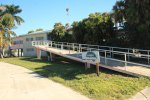
Everglades National Park is an American national park that protects the southern twenty percent of the original Everglades in Florida. The park is the largest tropical wilderness in the United States, and the largest wilderness of any kind east of the Mississippi River. An average of one million people visit the park each year. Everglades is the third-largest national park in the contiguous United States after Death Valley and Yellowstone. UNESCO declared the Everglades & Dry Tortugas Biosphere Reserve in 1976, and listed the park as a World Heritage Site in 1979, while the Ramsar Convention included the park on its list of Wetlands of International Importance in 1987.
Read moreRead less
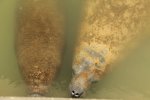
Everglades is one of only three locations in the world to appear on all three lists. Most national parks preserve unique geographic features; Everglades National Park was the first created to protect a fragile ecosystem. The Everglades are a network of wetlands and forests fed by a river flowing 0.25 miles (0.40 km) per day out of Lake Okeechobee, southwest into Florida Bay. The park is the most significant breeding ground for tropical wading birds in North America and contains the largest mangrove ecosystem in the Western Hemisphere. Thirty-six threatened or protected species inhabit the park, including the Florida panther, the American crocodile, and the West Indian manatee, along with 350 species of birds, 300 species of fresh and saltwater fish, 40 species of mammals, and 50 species of reptiles. The majority of South Florida's fresh water, which is stored in the Biscayne Aquifer, is recharged in the park. Humans have lived for thousands of years in or around the Everglades. Plans arose in 1882 to drain the wetlands and develop the land for agricultural and residential use. As the 20th century progressed, water flow from Lake Okeechobee was increasingly controlled and diverted to enable explosive growth of the South Florida metropolitan area. The park was established in 1934, to protect the quickly vanishing Everglades, and dedicated in 1947, as major canal building projects were initiated across South Florida. The ecosystems in Everglades National Park have suffered significantly from human activity, and restoration of the Everglades is a politically charged issue in South Florida.
From Campsitereservations · checked 10 Feb 2026

Where to book
Campertunity shows the listing information, then hands you to the campground’s available booking route.

Everglades National Park
Last checked Feb 2026 Book with the campground or listed provider
- Review final availability and terms before paying
- Your booking is completed on the selected service
How complete and verified is this campground?
Campgrounds add and verify details to help you know what to expect. The higher the level, the more verified information you get as a camper.
 BasicLevel 1Some basic info added0 – 20% completeCompleted
 DetailedLevel 2More details verified56% completeCurrent level
 PromotedLevel 3Most details verified80 – 100% complete
Ratings, availability, photos, and policies are more reliable as the level increases.

Nearby campgrounds
Something doesn't fit or is wrong?
Nobody has claimed this campground yet. If it is yours, claim it to keep the details up to date.
 Claim this listing